FitJourney is a mobile app designed to give users a full-fledged, personalized fitness path whether their goal is to lose weight, gain muscle, or improve endurance without the confusion, friction, or fragmentation most fitness apps impose.
The Problem
Most fitness apps rely on long onboarding forms and one-size-fits-all workout plans. Users are asked too many questions before seeing any real value, leading to early drop-off. Even after onboarding, plans often ignore real lifestyle habits, body type, and training history, which causes frustration, weak motivation, and low retention. The core challenge was to design an onboarding system that was fast, meaningful, emotionally engaging, and capable of delivering true personalization without overwhelming the user.
Goals & Objectives
The primary goal was to create a goal-driven onboarding experience that adapts to different fitness needs instead of sending every user through the same process. The flow needed to be fast, motivating, and trustworthy while clearly showing users that their program was built specifically for them.
My Role
I worked as the UX/Product Designer, handling:
User research
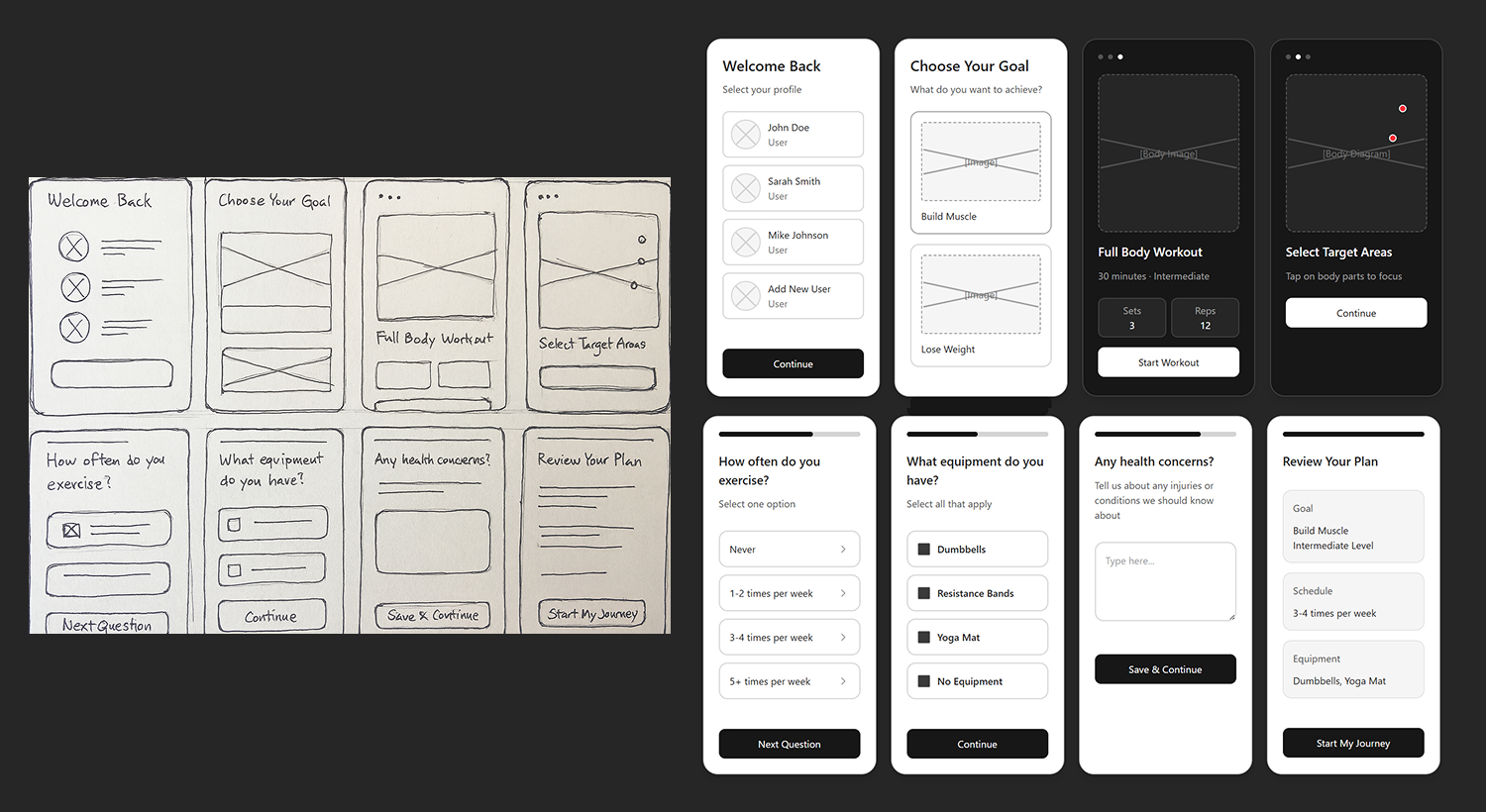
User flows & wireframing
UI design
Prototyping
Usability testing
Research & Discovery
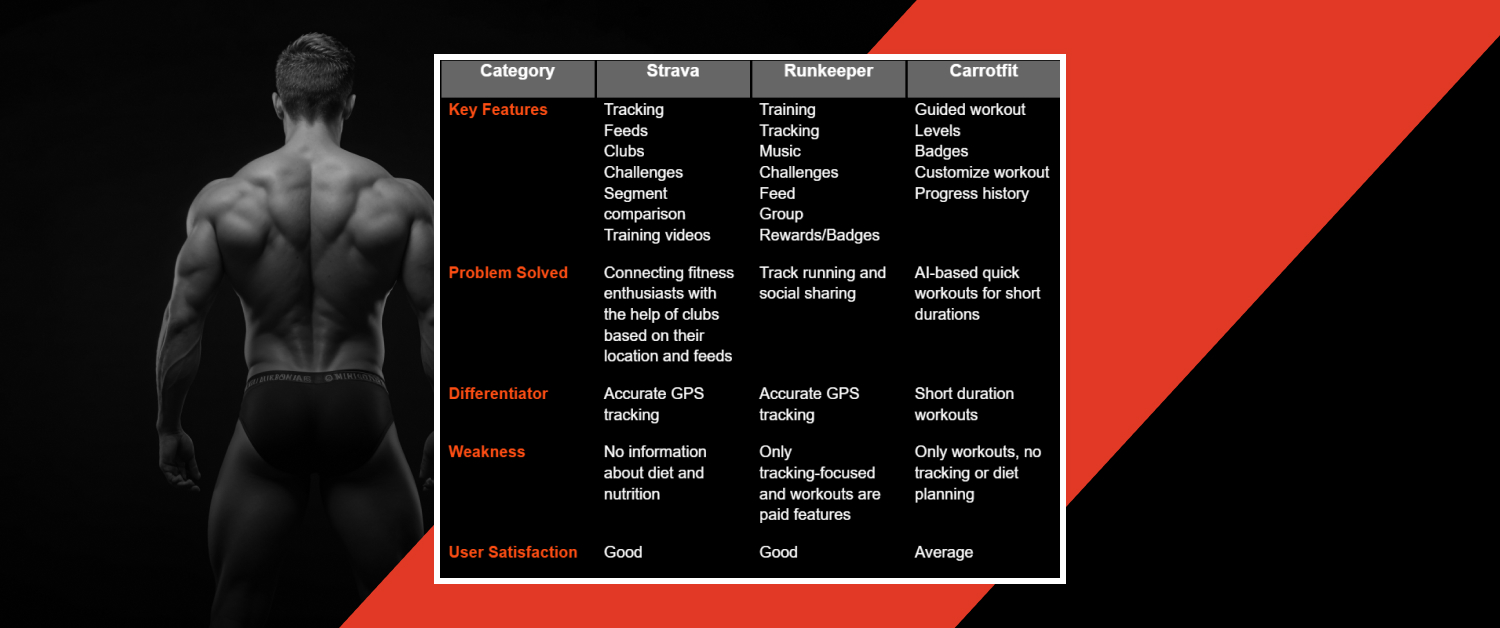
Competitive analysis revealed that most fitness apps overload users with data input and provide little transparency in how personalization actually works. Behavior patterns showed that users seek quick progress, emotional reassurance, and clarity. This shaped the core direction of the project: onboarding should feel like a conversation, not a questionnaire.
Defining Target Users
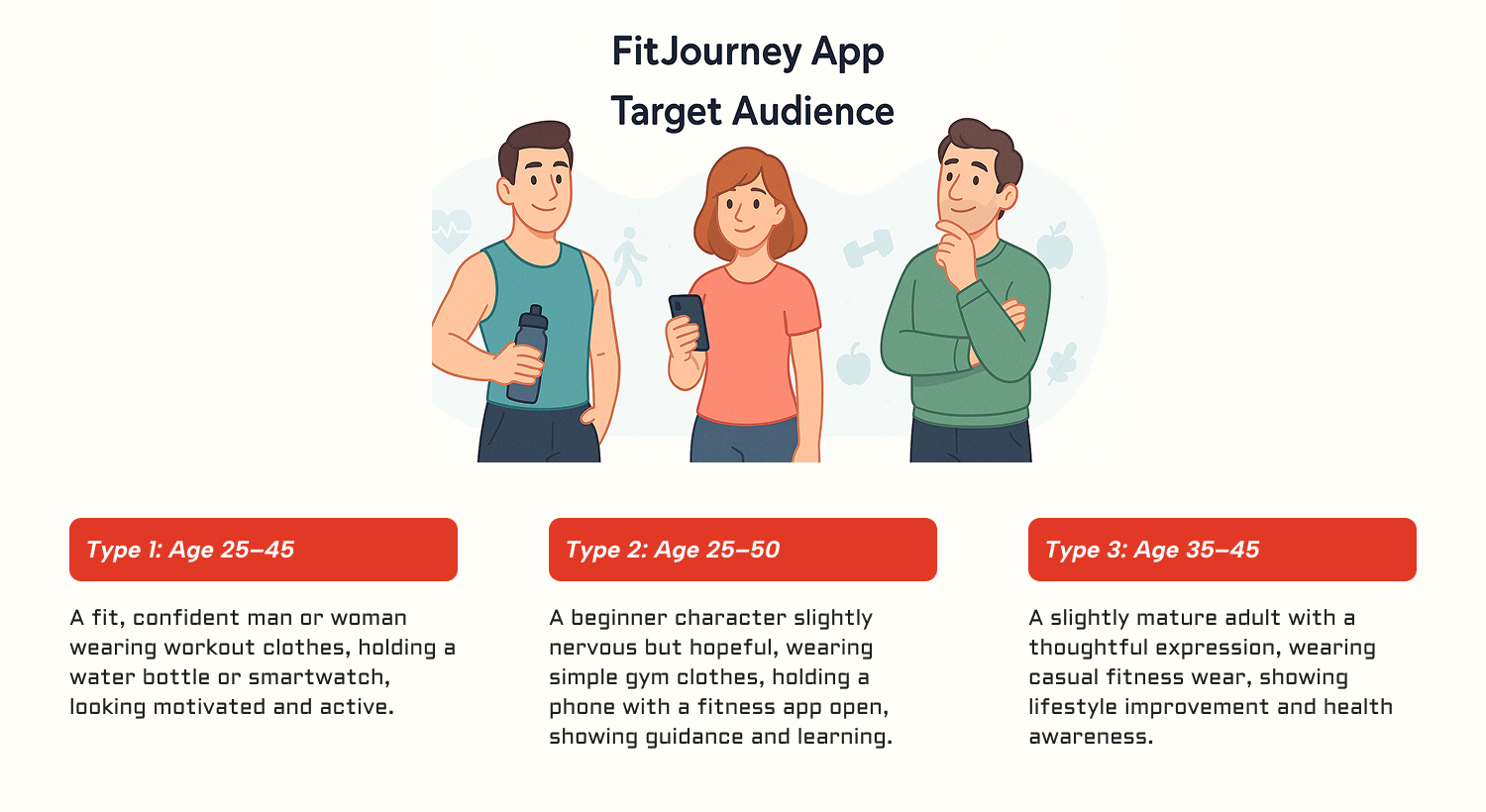
FitJourney is designed for people at different stages of their fitness journey, from beginners starting their transformation to experienced users refining performance. Users were segmented into three primary groups based on intent
FitJourney – User Interview Questions
Need-Based Questions
How often do you usually work out or take part in physical activities?
What made you decide to focus on your fitness in the first place?
What does your weekly workout routine currently look like?
Do you use any fitness apps, YouTube channels, or trainers to guide your workouts?
Where do you usually get advice about food, nutrition, or healthy habits?
Task-Based Questions
Can you walk me through your typical workout day from start to finish?
What are the biggest challenges you face while trying to stay consistent with fitness?
When you feel low on motivation, what do you usually do to get back on track?
How do you currently plan your meals, calories, or protein intake?
How do you decide what workout routine or exercises are right for your body?
Value-Based Questions
What do you enjoy the most and least about the fitness apps you’ve used before?
What does “being fit” personally mean to you?
If you could design your own fitness app, what features would be most important to you?
What helps you stay motivated for a long period of time without giving up?
Empathy Map
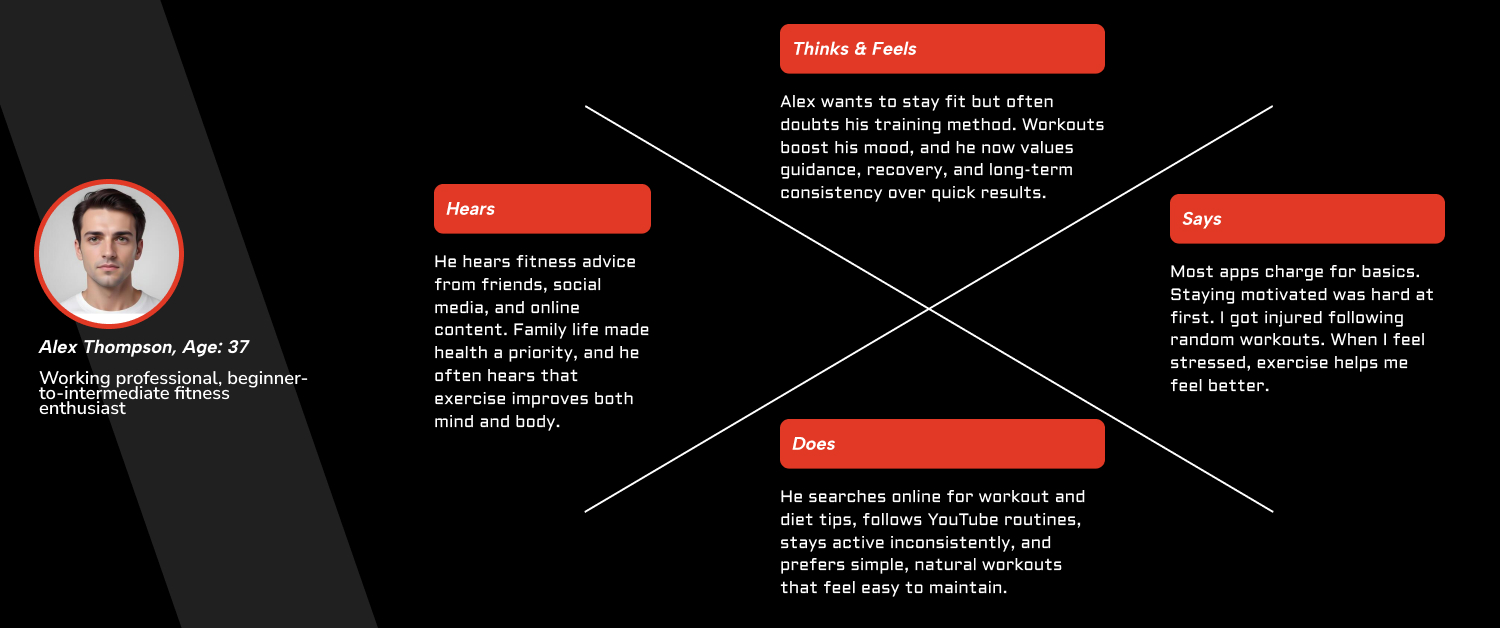
Empathy map helped to understand what users say,here,think/feels and do, which give me their pain and gains
Task Flow
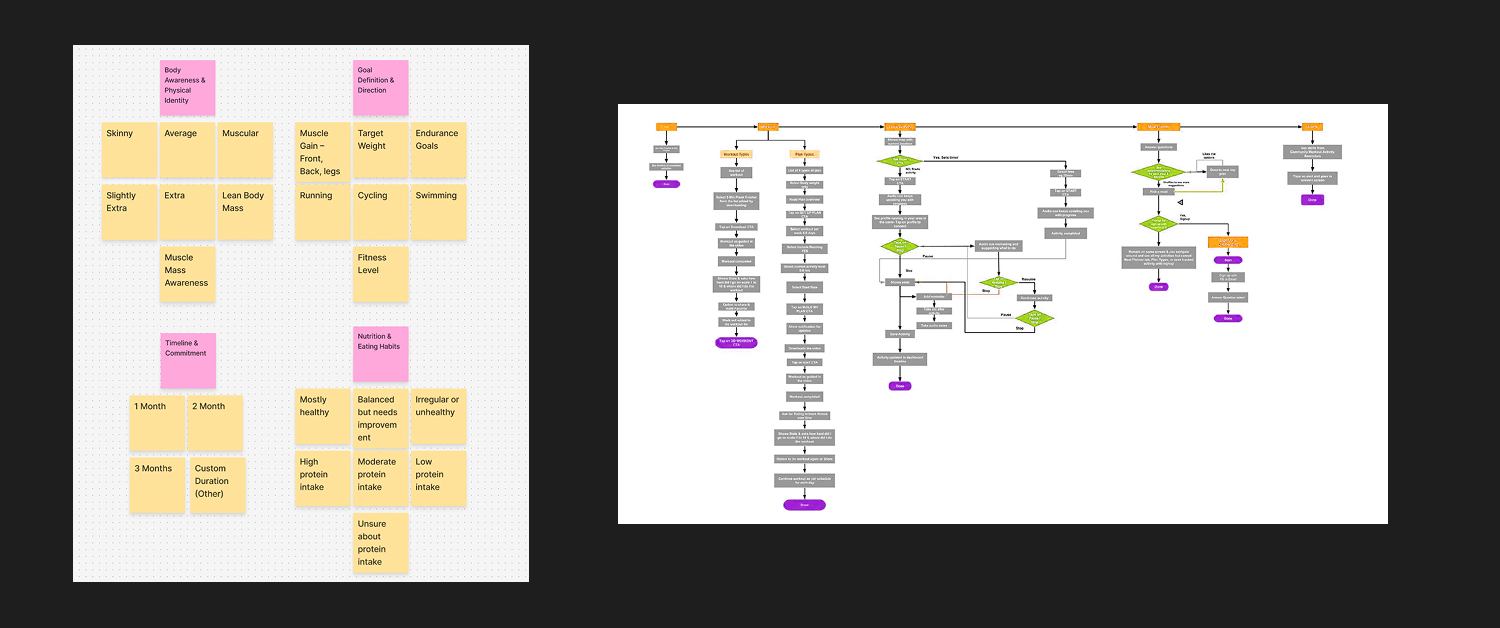
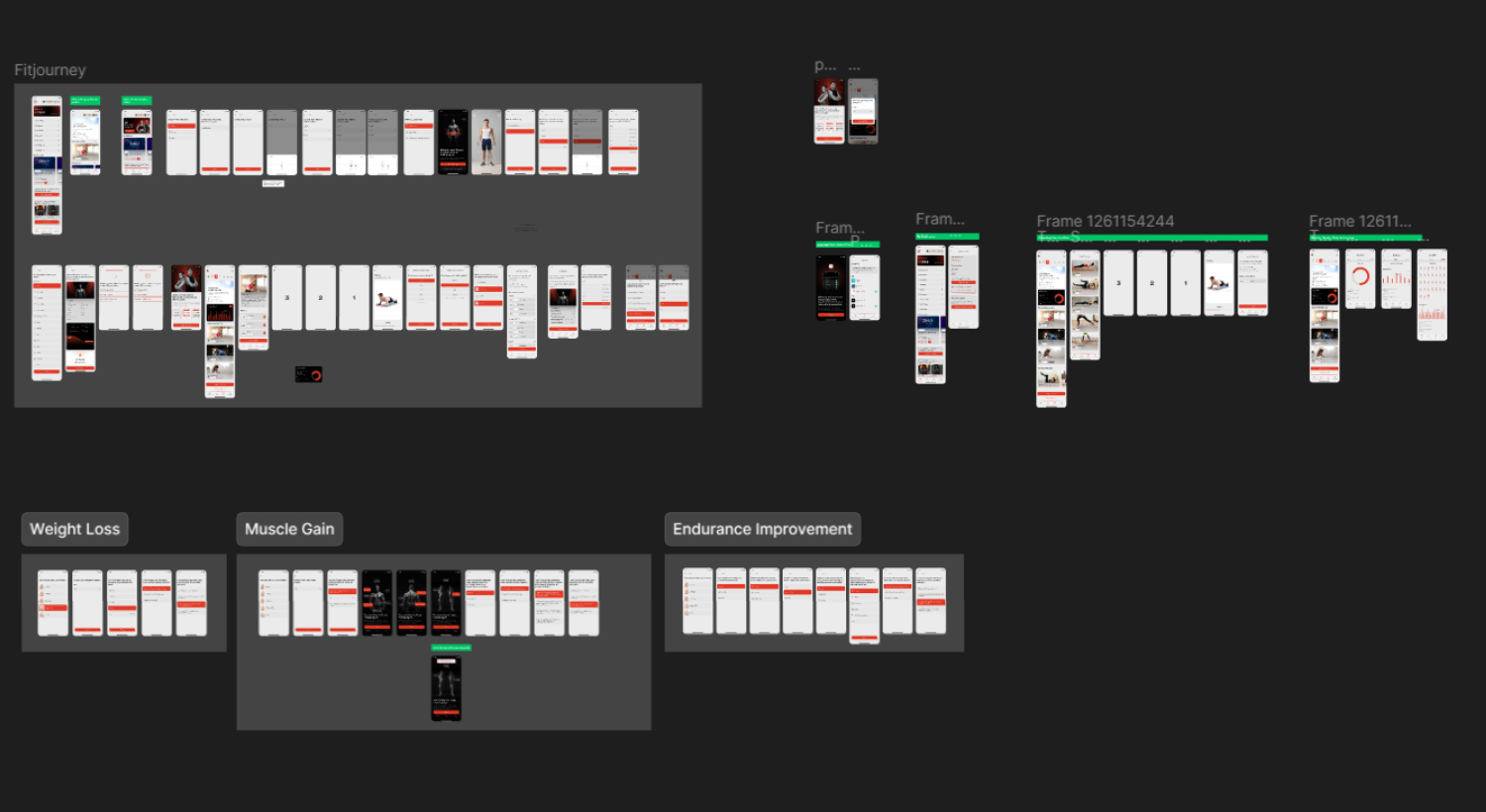
The UI design phase began with card sorting to organize features and content based on user logic rather than system assumptions. This helped define what information should appear first, what could be grouped together, and what needed to stay secondary. Based on these insights, a clear information architecture was created to map out the complete app structure and screen hierarchy.
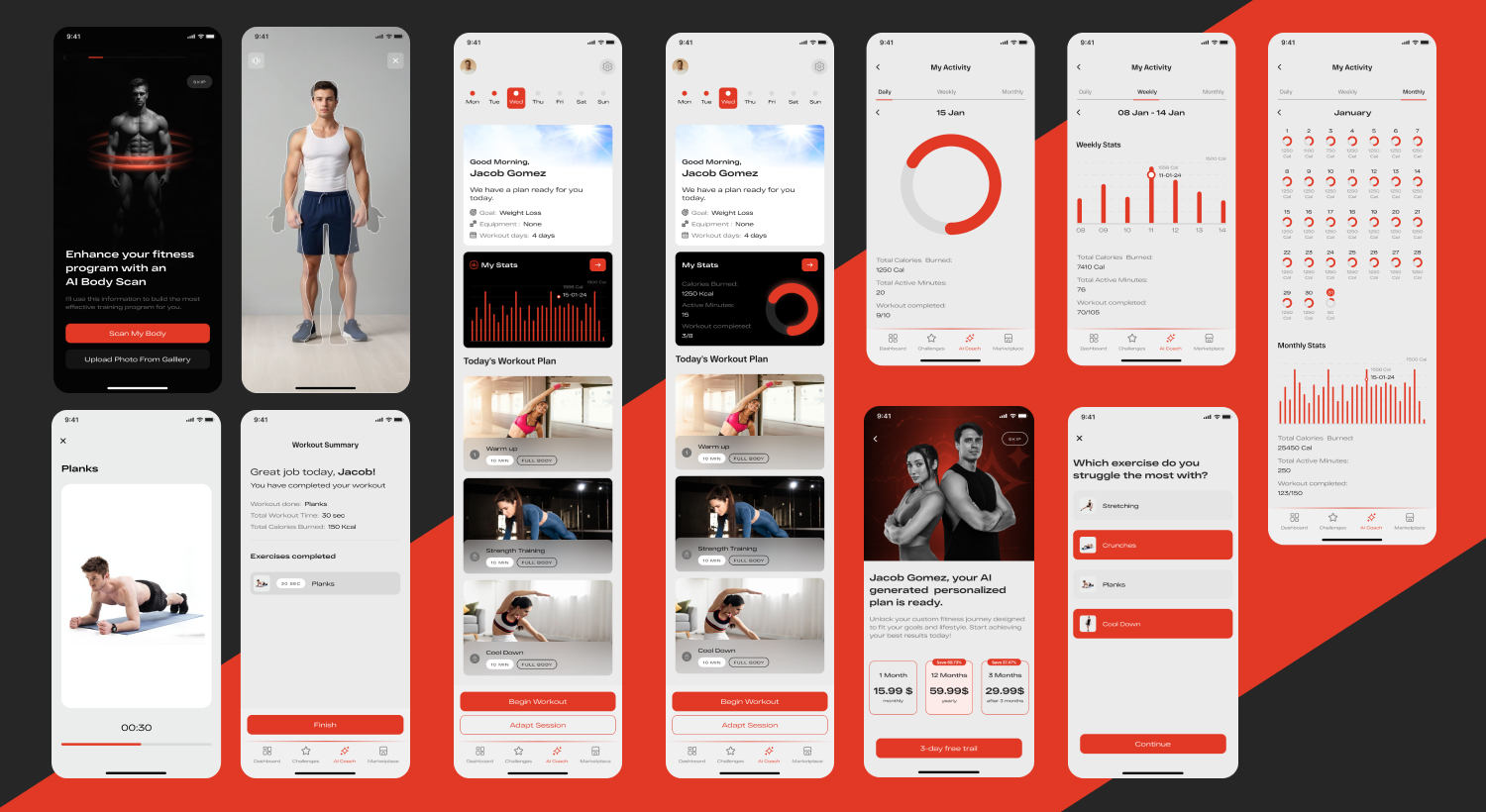
The Final Design
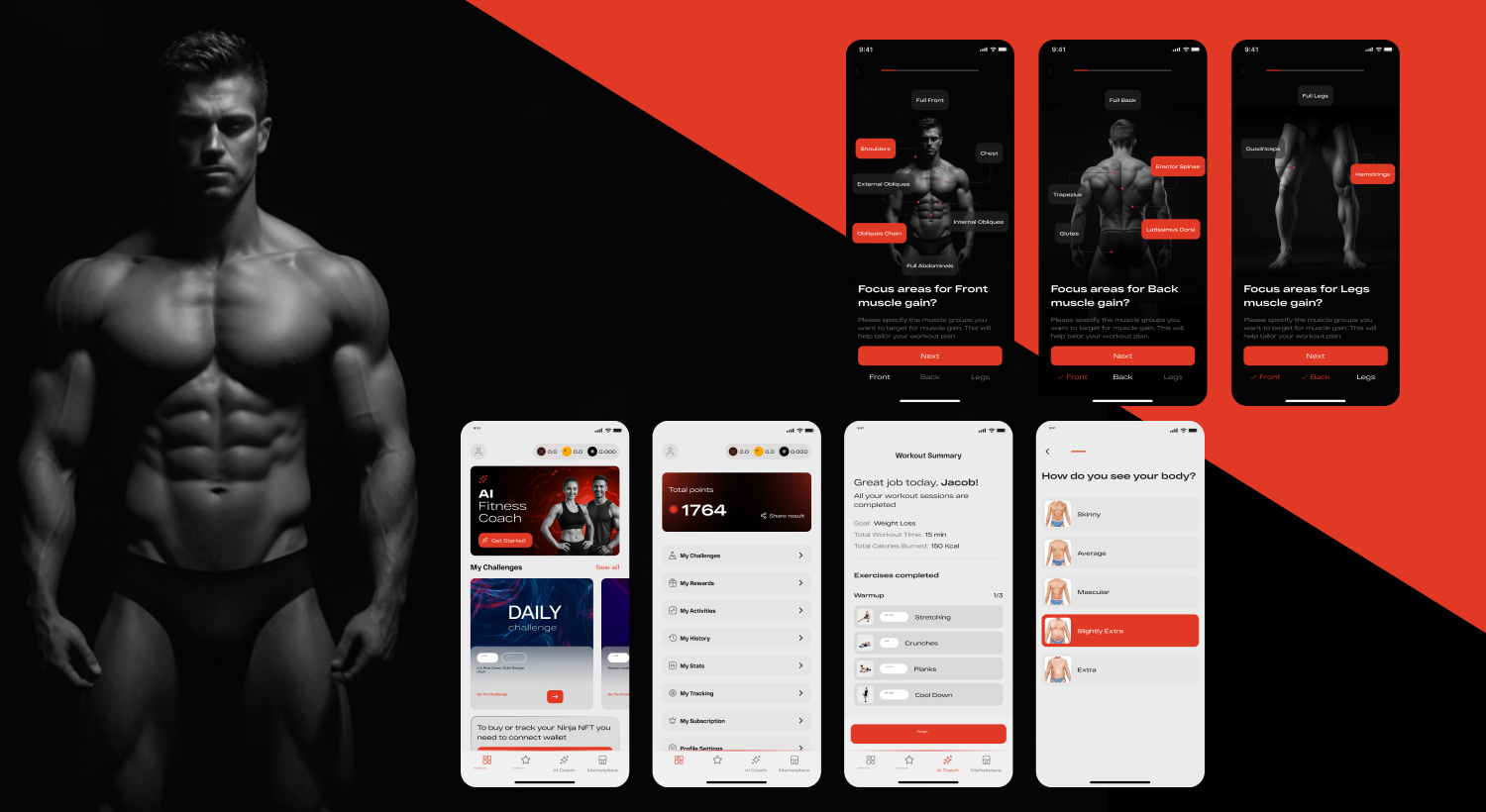
Once the flow was finalized, I moved into high-fidelity UI design, focusing on visual clarity, consistency, accessibility, and goal-driven navigation to ensure every screen supported a smooth and focused user experience.
A Calm Start to Every Fitness Journey
FitJourney was designed to feel supportive, not demanding. By simplifying choices, personalizing each path, and keeping the experience calm and clear, the app now feels less like a system and more like a gentle guide helping users move forward at their own pace with confidence.